
TL;DR
Moving from Texas to Colorado involves significant lifestyle and financial shifts, primarily driven by Colorado's cooler, drier climate and outdoor-centric culture. While housing may be smaller for the price, lower property taxes often offset Colorado's state income tax, making it a viable option for many. Understanding these key differences, from driving in snow to school choices, is crucial for a smooth transition.
---
Moving from Texas to Colorado is a journey we've helped countless families undertake, driven by a desire for a different quality of life and unique outdoor experiences. As real estate professionals who've traveled the entire country and helped numerous clients, we've observed that Texans often seek Colorado not out of necessity, but out of a genuine want for change—especially regarding climate and lifestyle.
In our experience, having trained agents nationwide and worked with clients from Dallas, Houston, Austin, and San Antonio, the allure of Colorado's cooler summers and vast outdoor opportunities is undeniable. We consistently hear about the desire to escape the prolonged heat and humidity that defines much of Texas, making Colorado an attractive alternative despite its own set of trade-offs. This migration is significant, with Texas being the second-largest origin state for new Colorado residents, right after California.
This guide will walk you through the most crucial aspects of relocating to Colorado, from understanding the weather and lifestyle shifts to navigating housing costs, taxes, and daily logistics. We'll also highlight the biggest mistakes Texans make during their move, ensuring you're well-prepared for what lies ahead. Let's dive into what makes Colorado so appealing and what you truly need to know.
What Drives Texans to Move to Colorado?
The primary drivers for Texans relocating to Colorado revolve around a dramatically different climate and an enhanced outdoor lifestyle. We consistently hear that the desire for more temperate weather and year-round outdoor activities is a major draw, especially compared to Texas's extended periods of intense heat and humidity.
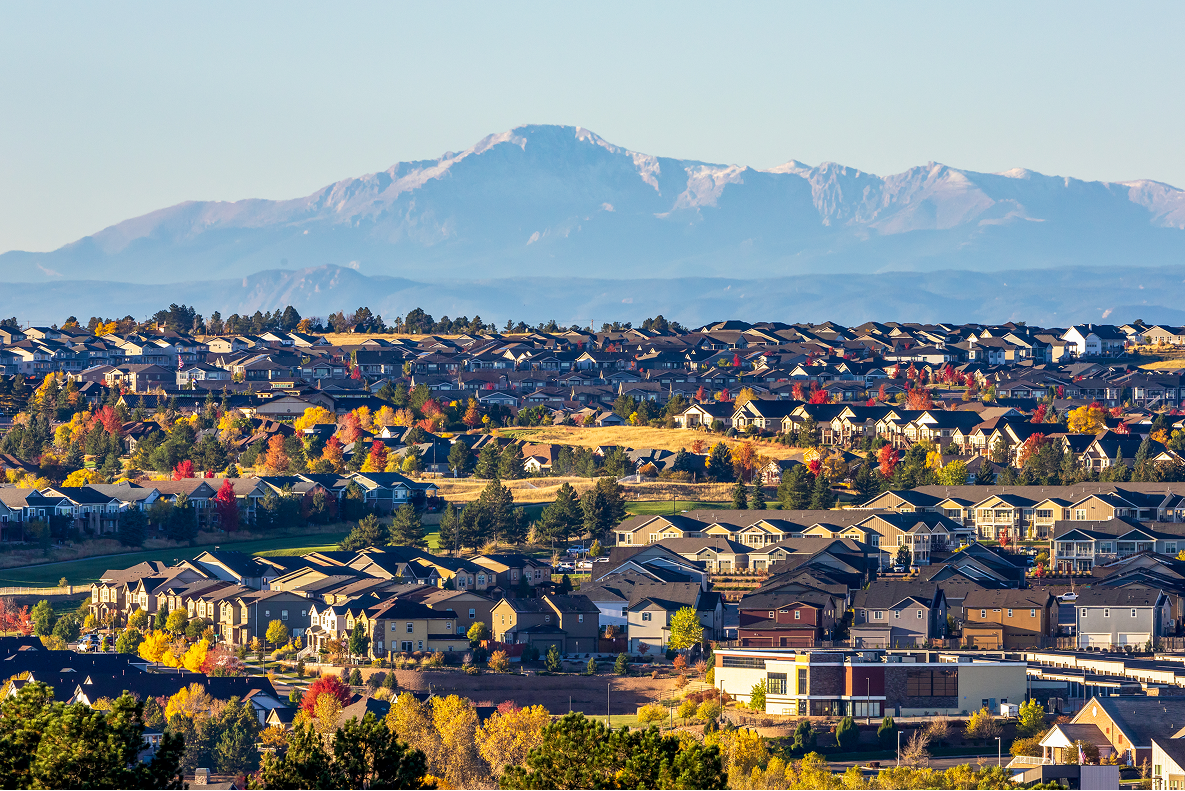
Denver Metro Area Residential Autumn Panorama with the view of the Front Range mountains
Climate and Quality of Life: A Breath of Fresh Air
Colorado offers a refreshing contrast to the Texas climate, with more balanced seasons and significantly less humidity. While we do experience summer heat, it's typically a dry heat, and severe insect issues are rare. We enjoy distinct seasons—snowy Christmases, rainy springs, and colorful falls—without any single season feeling overwhelming.
"You just get a lot more fair weather seasons here. So, again, it snows here, but it doesn't snow terribly, and when it does, it melts within a couple of days... there's not a lot of humidity. We also don't have a lot of insects."
This improved climate directly translates into an all-year-round outdoor lifestyle. From skiing and snowboarding in winter to kayaking, whitewater rafting, and hiking in summer, there's always something to do outdoors. We've found that many Texans are naturally active and quickly embrace Colorado's adventurous spirit. This sentiment is echoed in related content like Why So Many People Are Moving to Erie, Colorado | The Perfect Colorado Town Between Denver & Boulder, which highlights towns offering this balanced lifestyle.

Ski village at Breckenridge Resort, Colorado
Community and Centralized Location: Big Enough, Small Enough
While everything is famously bigger in Texas, Denver and its metro area strike a unique balance: big enough to offer major city amenities like an international airport and diverse entertainment, yet small enough to foster a strong sense of community. We often hear from clients how friendly people are here, opening doors and saying hello, which can be a welcome change from the vastness of larger Texas cities like Dallas.
Colorado also shares a major convenience factor with Texas: a centralized location within the country. This makes it easy to travel to both the West and East Coasts, a significant advantage for those who travel frequently. Our time zone is also ideal for remote workers, being two hours behind the East Coast and one hour ahead of the West Coast.
Sports culture is another similarity. Just like Texans' passion for high school to professional sports, Colorado boasts an electric atmosphere for teams like the Denver Broncos, Avalanche, and Nuggets. If you love competitive sports or have children involved in club sports, you'll find plenty of enthusiasm and opportunity here.
Understanding the Financial Realities of Moving to Colorado
The financial landscape is one of the most significant differences Texans will encounter when moving to Colorado, primarily revolving around housing costs and the state's tax structure. While some goods and services might balance out, the core financial trade-offs are in real estate.
Housing Trade-offs: Size vs. Location
Just like Texas, Colorado features master-planned communities with new build homes and HOAs that offer beautiful neighborhoods and amenities. However, the biggest trade-off is the cost of housing per square foot. In Texas, you're accustomed to getting larger homes for more affordable prices. In Colorado, you'll generally find a smaller footprint for the same price point.
However, this trade-off often means better proximity to the city, nature, and the lifestyle changes you're seeking. Even in master-planned communities in areas like Southeast Aurora or Parker, you can still be within a 40-minute drive to downtown Denver, which is a considerable advantage compared to the expansive commutes in some Texas metros.
> "If you guys are comparing 800,000 to 800,000, if you're comparing 1 million to 1 million, and if you're comparing 1.5 to 1.5, you're going to get a lot of bang for buck here in Colorado. And you're going to have a lot more space, believe it or not, that you can venture into that's still close to the city."
Property Taxes vs. Income Tax: A Crucial Comparison
Here's where the financial differences become most pronounced. Texas prides itself on having no state income tax, while Colorado has a 4.4% flat state income tax. However, this is largely offset by Colorado's substantially lower property taxes. For many, the annual savings on property taxes can outweigh the state income tax.
Let's break down the numbers:
| Category | Texas (Dallas) | Colorado (Denver) |
|---|---|---|
| Average Home Price | $460,000 | $570,000 |
| State Income Tax | 0% | 4.4% (flat) |
| Average Property Tax Rate | ~1.36% of assessed value | ~0.5% of assessed value |
| Annual Property Tax (on $600K home) | ~$8,160 | ~$3,000 |
| Monthly Property Tax Difference | ~$430 savings in CO |
As you can see, for a $600,000 home, the annual property tax difference is approximately $5,000 in favor of Colorado. This monthly savings of over $400 can significantly impact your budget. While gas and grocery costs might be similar or slightly higher in Colorado, we've found that the property tax savings often make the overall cost of living more manageable than Texans initially expect. The quality of new build construction here is also exceptional, meaning you might not need as much square footage when you have so much outdoor space to enjoy. For more details on regional developments, check out Moving to the South Denver Metro? New Build Development News & Saving Tips.
Avoiding Common Mistakes When Moving to Colorado
Texans often make a few common mistakes or hold misconceptions when relocating to Colorado, particularly regarding winter driving, understanding the school system, and the true geography of the Denver metro area.
Underestimating Winter Driving, Overestimating Snow
One of the biggest oversights is underestimating winter driving conditions, especially the rapid temperature changes that can turn wet roads into ice quickly. It's not necessarily about the speed you're going, but your ability to slow down safely. We always advise being cautious, leaving a little earlier for work, and understanding that conditions can change in minutes, even if there isn't much snow on the ground.
Conversely, Texans often overestimate the amount of snow Denver receives. On average, Colorado only gets about three snowstorms per year with more than six inches of accumulation. The infrastructure here is well-equipped to handle snow, with efficient plowing services, and our utility companies are built to withstand winter weather, unlike the challenges some areas of Texas have faced.
> "It doesn't snow here as much as you think. Matter of fact, Colorado will get on average only three snowstorms per year where we're getting more than 6 in. Only three. That's not a lot."
Navigating Colorado's School System
Colorado's school system operates differently from what many Texans are used to, particularly with its open enrollment policy. Within a school district, your child isn't necessarily tied to the school in your neighborhood; you can often open enroll in a different school. In some cases, exceptions can even be made for inter-district transfers for specific academic or sports programs.
Culturally, Colorado embraces alternatives like charter schools and STEM schools, which are often more popular than traditional private schools. This means there's less pressure to buy a home in a specific neighborhood just for school access, as there are many quality options available. We've also found many grants and scholarships available for private schools, making them more accessible than you might think.
Denver vs. The Mountains: A Common Misconception
A frequent misconception is that Denver is directly in the mountains. While you have an incredible view, the majority of the metro area, including Denver, feels mostly flat with a view. You're typically 45 minutes away from the true mountains, where you can find hiking, skiing, and other alpine activities.
Because the Rocky Mountains are so tall (14,000 ft+), you don't need to live in the mountains to enjoy their views. Many desirable areas 30-45 minutes from the city offer breathtaking back porch views of the entire range. This flexibility means you can enjoy the urban or suburban lifestyle of the metro area while still having easy access to nature. This growth and development are further explored in Colorado is EXPLODING! What's coming NORTH of Denver in 2026?.
Traffic and Commute Patterns: A Pleasant Surprise
One pleasant surprise for Texans is Colorado's traffic, which is generally much better than in many major Texas cities. We have an extensive network of highways and byways that efficiently move traffic in and out of the city. Our average speed during rush hour is typically around 34-37 mph, meaning less stop-and-go compared to what you might be used to.
Colorado's metro area is also more compact. You can cover the entire Denver metro area within 30 to 45 minutes, a stark contrast to Texas where it might take that long to get from one city to the next. This means less time commuting and more time enjoying everything Colorado has to offer.
Key Takeaways
- Climate & Lifestyle: Colorado offers a drier, four-season climate that supports year-round outdoor activities, a significant change from Texas's prolonged heat and humidity. Expect cooler summers, less humidity, and minimal insect issues.
- Cost of Living Trade-offs: While Denver's average home price is higher at $570,000 compared to Dallas's $460,000, Colorado's significantly lower property taxes (approx. 0.5% vs. Texas's 1.36%) often offset its 4.4% flat state income tax, resulting in substantial annual savings.
- Housing Considerations: You'll typically get a smaller home footprint for the same price in Colorado compared to Texas, but this often translates to better proximity to urban amenities and natural landscapes. New build quality is high, and master-planned communities offer excellent amenities.
- Driving & Geography: Texans often overestimate snow quantity (only ~3 major storms/year) but underestimate the need for cautious winter driving due to rapid ice formation. Denver is "flat with a view," meaning the core metro area isn't mountainous but offers stunning mountain vistas within a 45-minute drive.
- Community & Traffic: Denver balances big-city amenities with a strong sense of community. Traffic is generally more manageable than in major Texas cities, with an average rush-hour speed of 34-37 mph, allowing easier access across the more compact metro area.
Should You Move from Texas to Colorado?
Colorado might be right for you if you prioritize:
- Year-round outdoor activities (skiing, hiking, rafting)
- A four-season climate with low humidity
- A strong sense of community in a major city
- Lower property taxes that can offset state income tax
- A more efficient commute within a compact metro area
Texas might be better if you prioritize:
- Larger homes for a lower price per square foot
- No state income tax (even with higher property taxes)
- A familiar climate and lifestyle (if you prefer consistent heat)
- Proximity to specific family or business ties in Texas
- Extremely large properties or specific RV parking amenities (though Colorado is catching up)
Frequently Asked Questions (FAQ)
Q: How does the overall cost of living compare between Texas and Colorado, beyond just housing and taxes?
A: While housing and property taxes are the most significant financial differences, other costs can vary. We've observed that gas prices and groceries can be similar or slightly higher in Colorado, but often the substantial savings on property taxes can balance out these minor increases. Ultimately, if you can afford the housing markets in major Texas cities like Dallas or Austin, you can generally afford a comparable quality of life in Colorado, with a different allocation of your expenses.
Q: What are the biggest cultural adjustments Texans might face in Colorado?
A: Beyond the weather and outdoor focus, Texans might notice a slightly different pace of life and a strong emphasis on environmental consciousness and healthy living in Colorado. The community vibe is often described as friendly and welcoming, and while it's a major city, it still retains a "small town" feel in many interactions. The sports culture is equally passionate, so that will feel very familiar.
Q: Is public transportation a viable option in Denver, or is a car absolutely necessary?
A: While Denver does have public transportation options downtown, and new developments are making some areas more walkable, we still highly recommend having a vehicle in Colorado. The true Colorado lifestyle involves venturing out to the mountains, lakes, and various outdoor attractions, which are best accessed by car. Even if you live downtown, you'll want the flexibility to explore beyond the immediate urban core.
Q: How challenging is it to adapt to winter driving for someone unfamiliar with snow?
A: Adapting to winter driving requires caution and awareness, but it's manageable. The biggest challenge isn't necessarily the amount of snow, but the rapid temperature drops that can cause icy conditions. We advise taking it slow, allowing extra commute time, and being prepared for quick changes in road conditions. Most Colorado residents are experienced winter drivers, and the infrastructure is designed to keep roads clear, so it's not the "apocalypse" some Texans might imagine.
Q: What should I know about finding good schools if I'm relocating with children?
A: Colorado's school system offers flexibility with open enrollment within districts, meaning you're not strictly tied to your neighborhood school. The state also has a strong presence of charter and STEM schools, providing diverse educational alternatives. It's not uncommon for families to choose schools outside their immediate area. Additionally, private schools may offer grants and scholarships, making them more accessible than often perceived.
---
Watch the Full Video
For more insights, watch the complete video: Leaving Texas for Colorado? Don't Make These Mistakes
---
Making Your Move Easier
Moving forward does not have to be overwhelming. With the right guidance and support, you can navigate this journey smoothly. Eli Schmidt and Will Grimes are ready to help you every step of the way.
Here's how to get in touch:
📧 Email: [email protected]
📞 Phone: 720-419-0224
💻 YouTube: Living in Denver - The Mile High Property Brothers
Check out this article next