
TL;DR
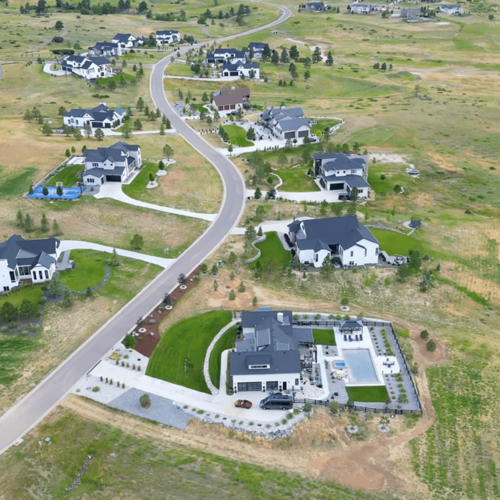
Denver still offers affordable housing options, especially in new builds and townhomes starting in the mid-$300s, though affordability is subjective. We break down the best neighborhoods for various lifestyles, tackle common concerns about hail and wildfires, explain what winter is truly like, and share crucial insights nobody warns you about before moving to the Mile High City.
---
After helping countless clients navigate the Denver real estate market, we can confidently say that while affordability is subjective, Denver still offers accessible areas if you know where to look. We remember when the average price point broke $500,000 around 2017-2018, a significant shift that made many wonder about future opportunities.
As Eli Schmidt and Will Grimes, your Mile High Property Brothers, we've guided numerous families relocating to the Denver Metro area, drawing on our combined decades of local experience—Will, a Denver native with 25 years here, and Eli, a seasoned resident and prior police officer. Our goal is to make your transition smoother, offering insights beyond typical real estate transactions and clarifying common misconceptions.
We’ve compiled the top 10 questions our clients asked in 2025, questions that are still highly relevant if you're considering moving here in 2026 and beyond. From housing costs to lifestyle choices and winter weather, we're here to answer what everyone asks. Let's dive into the most pressing question first.
1. Are There Still Affordable Areas Left Near Denver?
Yes, absolutely, but affordability is subjective. While the average price point in the Denver Metro area has been above $500,000 for years, there are still options for various budgets. We often see single-family new builds in the $650,000 range if you're willing to look slightly outside the immediate city. For those considering a condo or townhome, you can find options in the mid-$300s to mid-$400s, some very close to or within Denver itself.
Creativity with financing, such as seller concessions for rate buy-downs (e.g., a 2-1 or 3-1 buydown), can significantly impact your monthly cost. Builders are also offering incentives, especially for new constructions. When evaluating affordability, remember the three main factors: size, condition, and location. If you need a larger home for a big family, you might need to be more flexible on condition or location. For instance, areas like Aurora Highlands near E-470 and I-70 are seeing new developments built without basements to reduce costs, offering new homes at more accessible price points.
2. If You Had to Pick One Area for the Best Lifestyle, Where Would You Choose?
This is a loaded question, as "lifestyle" means different things to different people. We break it down into three categories:
Walkability & City Pace
For a fast-paced, walkable lifestyle with abundant restaurants, our top pick would be Lower Highlands (LoHi). It offers a vibrant city experience with diverse dining and entertainment. Cherry Creek is another excellent option for a quicker pace, combining upscale amenities with great walkability.
Quiet, Suburban & Family-Friendly
For families seeking a quiet, suburban environment with good schools and a strong community feel, Castle Rock stands out for quiet, suburban living. Its charming old downtown, numerous neighborhood choices, affordability, and proximity to nature make it a prime contender. If we were to choose a specific community for our family outside of where we currently live, we'd pick BackCountry within Highlands Ranch. It offers exceptional views, top-tier school districts (including private options), and an easy commute via E-470, keeping us far enough from the mountains to avoid extreme weather but close enough for access. For more insights on the future of housing, you might want to check out Denver Housing 2026: Where Prices Go From Here (And When to Move).
Nature, Mountains & Outdoor Activities
If you prioritize nature, mountain proximity, year-round outdoor activities, and stunning views within the Denver Metro area, our top recommendation is Sterling Ranch. Located right by Roxborough State Park, it's a "smart city" community with innovative features like recyclable rainwater. The views are breathtaking, and you're nestled between two state parks (Roxborough and Chatfield) within 10 minutes. Sterling Ranch offers the closest feel to mountain living without the full impact of severe inclement weather. Builders in Sterling Ranch are still offering incentives, making it a great option for those seeking a nature-rich lifestyle with creative financing.
3. What's the Best Suburb for Newer Homes Without Feeling Too Far Out?
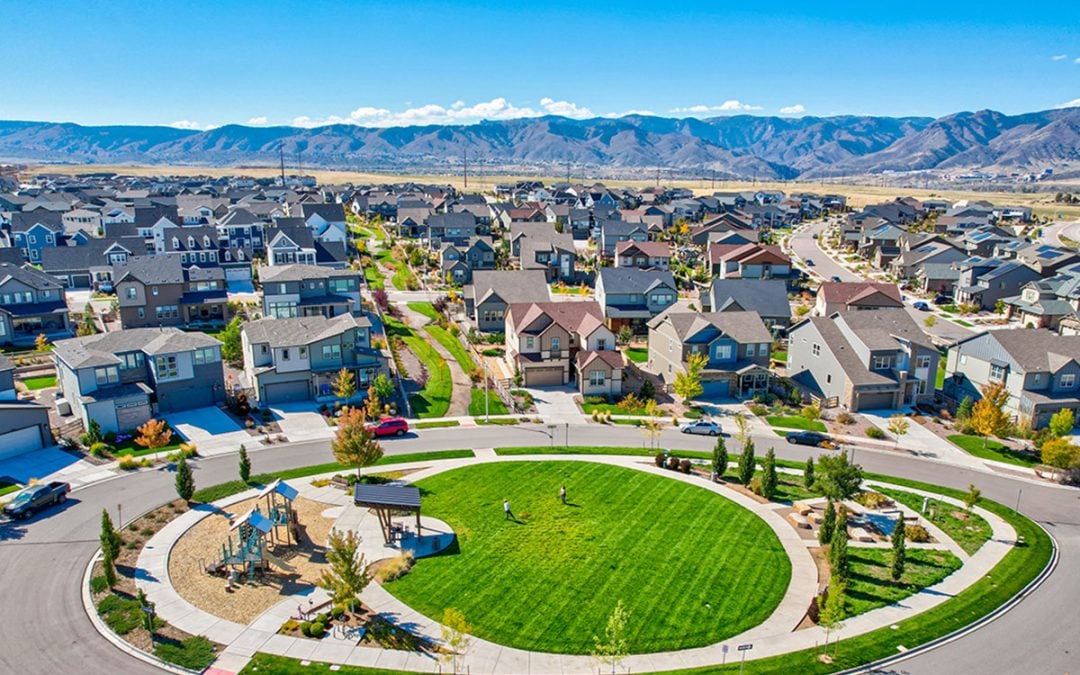
If "too far out" means within a 25-30 minute commute to downtown Denver, our top pick is Lone Tree. It's strategically located on the south side of the Denver Metro area, about 10-12 minutes north of Castle Rock. Lone Tree boasts extensive amenities, including shopping, restaurants, and nightlife, with the light rail providing easy access to downtown games or DIA. It offers excellent suburban neighborhoods with a vibrant, growing community. For a deeper dive into developments in this area, you can watch This New Development Is Reshaping South Denver (Lyric at RidgeGate in Lone Tree, CO).
However, if you're willing to venture an extra 5-6 minutes east off I-25 from Lone Tree, Parker is a strong contender. Parker has expanded significantly, offering great lot sizes, newer builds, and opportunities for a bit more land, providing a slightly slower pace than Lone Tree. For an honorable mention, if you want to be even closer, Centennial or Southeast Aurora offer good options, particularly RidgeGate, which is technically Lone Tree but on the quieter east side of the highway. RidgeGate features beautiful homes, pickleball courts, and new restaurants, striking a great balance between quiet living and amenities.
4. How Bad Are Hail, Wildfires, and Smoke, and Do They Affect Day-to-Day Life?
In our experience living here, hail, wildfires, and smoke are definitely factors, but they typically don't impact day-to-day life as much as news reports might suggest. We have a hail season in spring and early summer, but in 25 years, Will has only made one vehicle hail deductible claim, and Eli has never had to, despite not always parking in a garage. Colorado is well-prepared for hail, and repairs are readily available.
Regarding wildfires, Colorado actually has one of the lowest per capita rates compared to other states prone to wildfires. The Denver Metro area is designed differently than places like California; we're not typically living in the mountains surrounded by dense trees. While we did have a significant fire in Superior a few years ago (attributed to high winds and power lines), Xcel Energy now implements preventative power shutdowns during extreme wind alerts to mitigate risks. Smoke, when it occurs, is often from fires in other states like Wyoming, Montana, California, or even Canada, carried by the jet stream. While noticeable, it's not a constant issue, and for most living in the Denver Metro area, it has zero impact on daily life. For a look at how the city is changing, consider Biggest Denver Projects of 2025: What Changed (and What’s Next).
5. What's Winter Like Day-to-Day? Is It Snowy Non-Stop?
Denver winters are far more manageable than many people expect. We actually get more sunny days than Florida! While we experience real winter, typically from January through February, a few key factors make it very livable:
- Quick Melting: Snow rarely stays long. The sun usually comes out within a day or two, melting most of it away quickly.
- Excellent Infrastructure: Colorado's snow removal infrastructure is phenomenal. Plows and shivers are incredibly efficient at clearing major roads, highways, and byways, even during heavy snowfalls. You might need to shovel your driveway or local street, but main arteries are generally clear.
- Temperature Swings: Be prepared for rapid temperature changes. It can be 60 degrees and sunny one day, then a snowstorm blows in, and temperatures drop fast, creating icy conditions. Always drive with caution during these transitions.
For those coming from the Midwest or East Coast, our winters often feel like a "joke" by comparison. Our extreme cold typically hovers around zero to minus one degree for about a week, and summers see about a week of 100-degree weather. Overall, winter is very doable, allowing plenty of opportunities to enjoy the outdoors.
6. Do You Need All-Wheel Drive or Four-Wheel Drive to Live in Denver?
While not an absolute prerequisite, we strongly recommend all-wheel drive (AWD) or four-wheel drive (4WD) to live in Denver. It's not just about surviving winter; it's about enjoying all that Colorado offers year-round, especially when heading to the mountains. It also adds a significant layer of safety.
You can get by with two-wheel drive, but you'll likely encounter moments where your wheels spin at a stoplight or you get stuck trying to get out of your neighborhood after a plow has created a berm at the end of your driveway. Public transportation options like the light rail and buses can help on severe snow days if you're concerned about driving. If you don't have AWD/4WD when you move here, you'll have time to get one, as major snowstorms are spaced out, and you'll have advanced notice. But for convenience, safety, and full enjoyment of Colorado, it's a worthwhile investment.
7. Which Neighborhoods Look Great Online But Feel Different in Real Life?
This question has two sides: places that underwhelm and places that exceed expectations online.
Underwhelming Online vs. Reality
For us, Arvada can be a bit "catfishy." While online photos might show beautiful homes and mountain backdrops, and even a cute downtown, the real-life experience can be different. The commute in and out can feel disjointed due to its structure off the highway, and some areas still require flood insurance due to old flood zones, adding unexpected costs. It's technically closer to the mountains, but the flow and overall vibe don't always live up to the online allure.
Exceeding Online Expectations
Sterling Ranch is another place that online photos don't do justice. While it might appear as if homes are close together or "cookie-cutter," in reality, the community features 13-15 different builders, ensuring diversity. The small lots are intentional, encouraging residents to utilize the vast outdoor spaces, with giant mountains and foothills literally in your backyard. The views are spectacular, and it offers direct access to Roxborough State Park.
Similarly, Castle Rock is often underestimated online. We've shown homes in areas like Diamond Ridge, which offer outrageous sunrise and sunset views across the entire valley, all the way to Pikes Peak. Nothing online truly captures the atmosphere of seeing the snow fall across the valley from such a vantage point. To experience this, we sometimes schedule showings during sunset. To get such mountain-like views and still be only 34 minutes from downtown Denver is truly unique, especially compared to Boulder, which is much more expensive and further into the mountains. We often encourage clients who think Castle Rock is too far to at least drive through it to experience the scenery firsthand.
8. How Are the Schools? Which Districts Are Best if You've Got Kids?
Colorado consistently ranks in the top 3-5% nationally for its school districts, so generally, you're in great hands across the state. While we can't legally give specific grades or opinions on individual schools due to our realtor licensing, we can tell you that the areas we frequently discuss—like Castle Pines, Castle Rock, Highlands Ranch, Sterling Ranch (Douglas County School District), Centennial, and Southeast Aurora (Cherry Creek School District), and Littleton (Littleton Public Schools)—are all within the top 3-5 school districts in Colorado. Boulder District is also highly regarded as a top performer.
Colorado also has a strong culture of independent school choices, including charter, STEM, and private schools. It's not always about living in a specific neighborhood for a specific school; rather, people often choose a neighborhood for their lifestyle and then select the school that best fits their child's needs. Many private schools, like Regis High School, offer grants and scholarships, making quality education accessible. We've personally helped clients navigate these resources to find the right fit for their children. The bottom line is, you'll find endless good choices for education here.
9. What Do People Do for Fun When It's Not Summer?
Denver offers a huge array of activities year-round, even when it's not summer! We get so many sunny days that outdoor fun isn't limited to one season. Beyond the obvious snow sports like snowboarding and skiing, there's a vibrant cultural scene and plenty of unique winter activities:
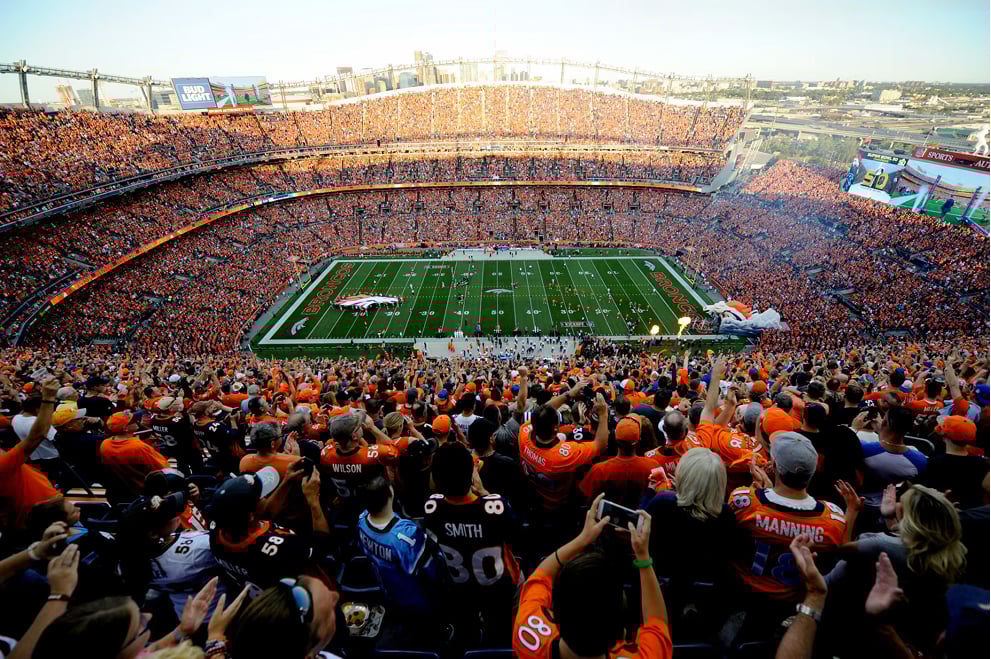
- City & Culture: Enjoy national tours at various venues, explore numerous breweries (Denver has a fantastic craft beer scene), visit museums, and attend food festivals. Denver is known for its "Sunday Funday" culture, with popular brunches, farmers' markets, and Bronco games.
- Outdoor Winter Fun (Non-Skiing): Go tubing in the mountains with your family, visit unique spots like the Breckenridge Brewery in Littleton which creates a fake snow sledding hill, or enjoy ice skating rinks downtown, at Southlands Mall, and Northfield. Many parks also offer winter-specific activities during the holidays.
- Weekend Warrior Activities: For the adventurous, white water rafting, kayaking, hiking (even in winter on clear trails), and scaling 14ers are popular. If you want to try camping or RVing without buying, there are plenty of rental options for RVs, camper vans, and Airbnbs specifically designed for cabin and camping experiences. (Pro tip: rent an RV a few times before buying one to see if you truly use it!)
Overall, Denver's diverse offerings mean there's always something to do, fostering a community where people from all walks of life come together to enjoy the unique Colorado lifestyle.
10. What's Something Nobody Warns You About Before Moving to Denver?
While people often hear about altitude, a few things tend to surprise newcomers to Denver:
- Cracked Windshields: You might get a cracked windshield more often than you'd expect. Between temperature changes and small rocks from the roads (which are often salted), chips and cracks are common. It's a minor but frequent occurrence.
- Winter Sunburns: This is a big one! Even in freezing temperatures, the sun at high altitude, especially reflecting off snow, can give you a severe sunburn. Always wear sunscreen, even in winter, especially if you're out on the mountains. A frozen sunburn is no fun.
- House Direction Matters for Snow Melt: The direction your house faces significantly impacts winter maintenance. If your driveway is north-facing, it will be in the shade all day, meaning snow and ice will linger much longer, potentially all winter. You'll need to be diligent about shoveling immediately after a snowfall to prevent compaction and ice buildup. Conversely, a south-facing driveway will get sun all day, and snow will often melt on its own by midday. While a north-facing house isn't a deal-breaker (Eli had one with amazing views), it just requires more effort with snow removal. Consider getting a snowblower or broad shovels if your home faces north.
Key Takeaways
- Denver still offers diverse housing options: New single-family homes can be found in the $650K range, while condos/townhomes are available from the mid-$300s to mid-$400s, especially with creative financing and builder incentives.
- Lifestyle choices are abundant: From walkable city living (LoHi, Cherry Creek) to quiet suburban family life (Castle Rock stands out for quiet, suburban living) and nature-focused communities (Sterling Ranch), Denver caters to various preferences.
- Weather concerns are often exaggerated: Hail and wildfire smoke are present but typically do not impact daily life significantly, and Denver winters are manageable due to abundant sunshine and excellent snow removal infrastructure.
- Winter preparedness is key: AWD/4WD is highly recommended for safety and enjoying all seasons, and the direction your house faces significantly impacts winter maintenance (north-facing driveways retain snow/ice longer).
- Education is strong: Colorado's school districts, including Douglas County, Cherry Creek, and Littleton, rank among the nation's best, with a robust culture of independent and private school options.
Frequently Asked Questions (FAQ)
Q: What are the primary factors influencing housing affordability in Denver?
A: Affordability in Denver is largely influenced by the interplay of size, condition, and location. While the average home price has been over $500,000 for years, new build homes without basements, creative financing options like rate buy-downs, and looking slightly outside central Denver can lead to more accessible price points in the mid-$300s to $650s.
Q: How do Denver's public transportation options support daily commuting, especially during winter?
A: Denver has a robust public transportation system, including the light rail and bus network, which can significantly ease commuting, particularly on inclement winter days. Many suburbs like Lone Tree have convenient light rail stations, allowing residents to park and commute downtown or to DIA without driving in snow, providing a viable alternative if you don't have AWD/4WD.
Q: Are there specific neighborhoods experiencing significant new development for those seeking modern homes?
A: Yes, areas like Aurora Highlands near E-470 and I-70 are seeing new affordable housing developments. RidgeGate in Lone Tree is another key area with beautiful new homes and amenities. Sterling Ranch also features numerous builders offering modern homes, often with incentives, catering to those who desire newer construction without being too far from the city. For more details on new developments, check out This New Development Is Reshaping South Denver (Lyric at RidgeGate in Lone Tree, CO).
Q: What specific outdoor activities are popular in Denver during the winter beyond skiing and snowboarding?
A: Beyond skiing and snowboarding, popular winter activities include family tubing in the mountains, ice skating at various rinks (downtown, Southlands Mall, Northfield), and attending winter-themed festivals. Some breweries, like Breckenridge Brewery in Littleton, even create temporary sledding hills. The abundance of sunny days means hiking and enjoying state parks like Roxborough and Chatfield are still possible.
Q: How can we best prepare for the altitude when moving to Denver?
A: While everyone reacts differently, the best preparation for Denver's altitude is to hydrate constantly, take it easy for the first few days (avoid strenuous exercise), and limit alcohol consumption initially. Many find it's something you simply have to experience and adapt to, but these steps can help mitigate initial struggles.
---
Watch the Full Video
For more insights, watch the complete video: Is Denver Still Affordable? + 9 More Questions Everyone Asks
---
Making Your Move Easier
Moving forward does not have to be overwhelming. With the right guidance and support, you can navigate this journey smoothly. Eli Schmidt and Will Grimes are ready to help you every step of the way.
Here's how to get in touch:
📧 Email: [email protected]
📞 Phone: 720-419-0224
💻 YouTube: Living in Denver - The Mile High Property Brothers
Check out this article next